Heat Pumps vs Central Air: Which Cooling System Makes More Sense?
Choosing the right cooling system for your home is not always as simple as replacing what you already have. With newer HVAC options becoming more common, many Windsor and Essex County homeowners are now comparing traditional central air systems with heat pumps and ductless mini splits.
Each option can provide reliable cooling, but the right choice depends on your home’s layout, existing ductwork, comfort needs, energy goals, and budget. Before investing in a new system, it helps to understand how each one works and where it makes the most sense.
Understanding Central Air Conditioning
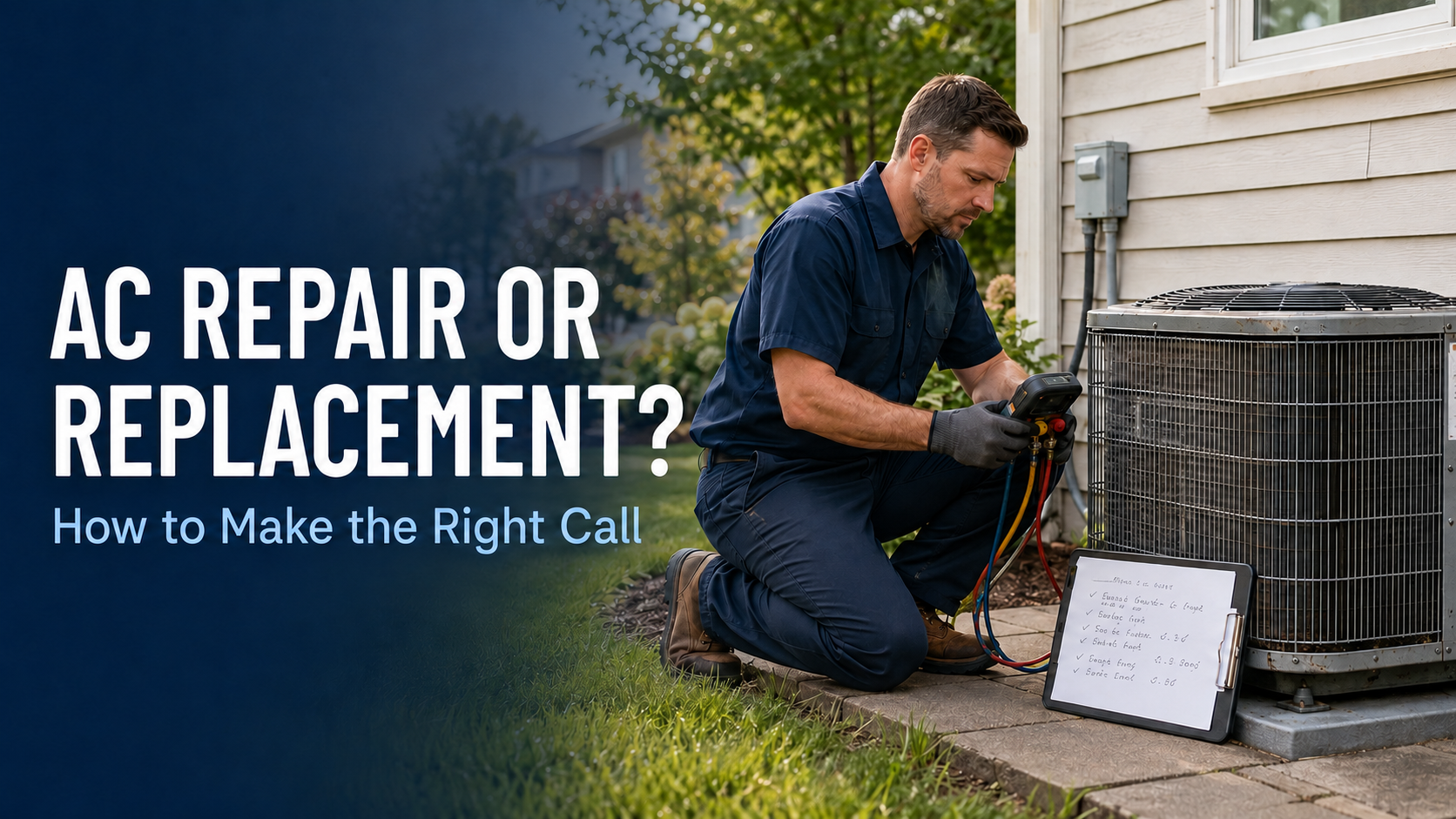
Central air conditioning is one of the most common cooling solutions for homes in Windsor. It uses an outdoor condenser and an indoor coil connected to your furnace or air handler. Cool air is distributed throughout the home using existing ductwork.
For homes that already have a forced-air furnace and properly sized ductwork, central air installations can be a practical and effective choice. They provide whole-home cooling, consistent airflow, and familiar operation through a standard thermostat.
Central air is often a good fit for homeowners who want to cool the entire home at once and already have the ductwork in place.
What Makes Heat Pumps Different?
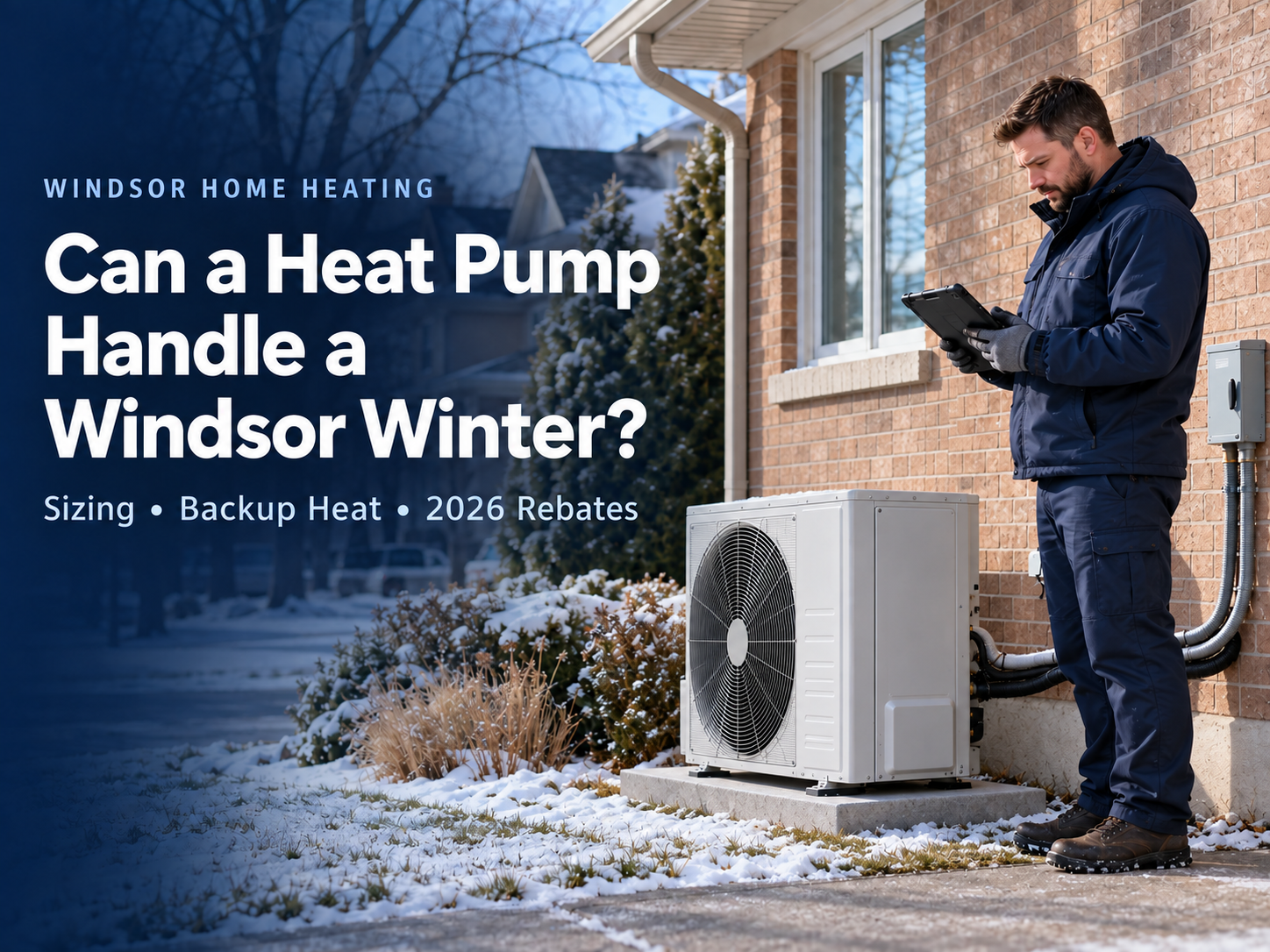
A heat pump looks similar to a central air conditioner, but it can do more than cool your home. In summer, it removes heat from the inside of your home and moves it outdoors. In cooler weather, it can reverse the process and provide heating as well.
This makes heat pumps an appealing option for homeowners looking for energy efficient cooling and supplemental heating from the same system.
A heat pump installation project may be especially worth considering if you want a modern system that can reduce reliance on traditional heating equipment during milder parts of the year.
While heat pumps may not replace every heating need during the coldest stretches of winter, they can be a strong part of a hybrid comfort setup when properly installed and sized.
Where Ductless Mini Splits Fit In
Ductless mini split systems are another option for homes and spaces where ductwork is not available, practical, or cost-effective to install. These systems use an outdoor unit connected to one or more indoor wall-mounted or ceiling-mounted units.
A ductless mini split system can be a smart option for:
- Home additions
- Garages or workshops
- Older homes without ducts
- Finished basements
- Sunrooms
- Bonus rooms
- Areas that never seem to cool properly
Because ductless systems cool specific zones, they allow homeowners to control comfort room by room instead of conditioning the entire home at once.
Heat Pumps vs Central Air vs Ductless Mini Splits
Here is a simple way to compare the three options without getting too technical:
Central Air
Best for: Homes with existing ductwork.
Main advantage: Reliable whole-home cooling.
Consideration: The ductwork needs to be in good condition for the system to perform properly.
Heat Pump
Best for: Homes that want cooling plus supplemental heating.
Main advantage: Energy efficiency and year-round versatility.
Consideration: Proper sizing and installation are important for Windsor’s seasonal climate.
Ductless Mini Split
Best for: Additions, older homes, garages, workshops, or rooms with comfort issues.
Main advantage: Zoned comfort without needing ductwork.
Consideration: Indoor units are visible within the room.
There is no single “best” option for every property. The best system is the one that fits the home, usage patterns, and long-term comfort goals.
Key Factors to Consider Before Choosing
Before deciding between heat pumps, central air, or ductless cooling, homeowners should consider a few important factors.
Existing Ductwork
If your home already has well-designed ductwork, central air or a ducted heat pump may be straightforward options. However, if the ducts are old, leaky, undersized, or poorly balanced, comfort issues may continue even with new equipment.
Room-by-Room Comfort
Some homes have rooms that are always warmer than others. This is common in additions, upper floors, finished basements, and rooms with large windows. In these cases, a ductless system may solve the problem more directly than replacing the entire central system.
Energy Efficiency Goals
Heat pumps and ductless systems are often attractive for homeowners looking to improve efficiency. However, efficiency depends heavily on correct equipment sizing, installation quality, and how the system is used.
Budget and Long-Term Value
Central air can be a cost-effective option when ductwork already exists. Ductless systems may have a higher upfront cost per zone but can avoid expensive duct installation. Heat pumps may provide added value by handling both cooling and some heating needs.
When Central Air Makes the Most Sense
Central air may be the better fit if your home already has ductwork, you want consistent whole-home cooling, and your existing furnace or air handler is compatible with the new equipment.
This is often the most familiar and straightforward option for many Windsor homeowners, especially when replacing an older air conditioner.
When a Heat Pump Makes the Most Sense
A heat pump may be the better fit if you want a modern, efficient cooling system that can also support your heating needs during shoulder seasons. It can be especially useful for homeowners looking to improve energy performance without relying on separate systems for every comfort need.
For many homes, a heat pump works well as part of a balanced HVAC setup rather than a one-size-fits-all replacement.
When a Ductless Mini Split Makes the Most Sense
A ductless mini split may be the right choice when adding ductwork is not realistic or when one specific area needs better comfort. This makes it ideal for additions, older properties, garages, workshops, and rooms that are difficult to condition through the main system.
It can also be useful for commercial spaces that need independent temperature control in different areas.
The Bottom Line
Heat pumps, ductless mini splits, and central air systems can all be excellent cooling options when installed properly. The right choice depends on your home’s layout, existing system, comfort expectations, and long-term goals.
At M&M Global Mechanical Services, we help homeowners and businesses throughout Windsor and Essex County understand their cooling options before making an investment. Whether you are replacing an older central air system, considering a heat pump, or looking into ductless cooling for a specific space, our team can assess your property and recommend a solution that makes practical sense.
If you are thinking about upgrading your cooling system, now is a great time to start planning.
Contact M&M Global Mechanical Services today to discuss your options and get expert guidance from a licensed and insured local HVAC team.