Furnace Replacement in Windsor: 7 Decisions That Matter Before Installation
A furnace replacement is not simply a matter of choosing a brand, selecting an efficiency rating, and scheduling an installation. The equipment must suit the home, work with the existing duct system, respond properly to the thermostat, and be installed and tested according to applicable requirements.
For Windsor-Essex homeowners, early fall is an ideal time to evaluate these decisions. It provides time to compare repair and replacement options before colder temperatures place greater demand on the heating system.
If you are considering furnace replacement in Windsor, these seven decisions can help you evaluate your options and avoid choosing a system based entirely on price or equipment size.
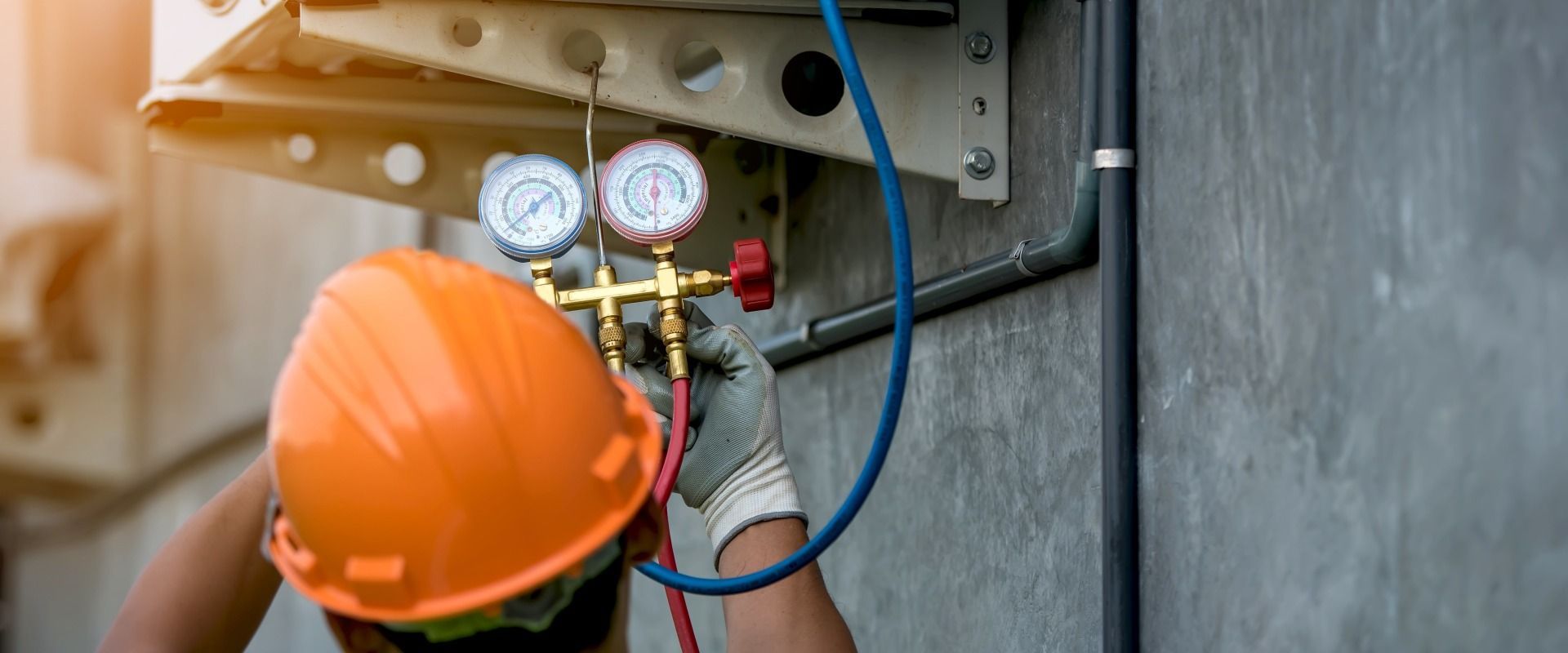
1. Is Replacement Necessary, or Does Repair Still Make Sense?
The first decision is whether the furnace needs to be replaced at all.
An isolated component failure does not automatically justify purchasing a new system. If the furnace is otherwise in good condition, has been dependable, and can be repaired at a reasonable cost, another repair may provide several more years of service.
Replacement deserves closer consideration when:
- Breakdowns are becoming more frequent
- Repair costs are beginning to accumulate
- Important replacement parts are difficult to obtain
- The furnace no longer heats the home consistently
- Airflow or comfort problems continue after previous service
- Heating costs are rising without an obvious explanation
- The equipment has significant safety or mechanical concerns
- A major repair represents a large portion of the cost of replacement
Age should be considered, but it should not make the decision by itself. Two furnaces of the same age may have very different maintenance histories and operating conditions.
Before approving a replacement, ask for a professional assessment that clearly explains the condition of the furnace, the required repair, and the realistic benefits of installing new equipment. Homeowners who are not yet sure whether their system needs replacement can also review our guide on how to prevent emergency furnace repairs before winter starts.
2. What Size Furnace Does the Home Actually Need?
One of the most important furnace decisions is also one of the most misunderstood: bigger is not automatically better. An oversized furnace may heat the home quickly, but it can also reach the thermostat setting and shut down before heat is distributed evenly. This repeated short cycling can contribute to temperature swings, unnecessary equipment wear, increased noise, and inconsistent comfort.
An undersized furnace may run for extended periods and struggle to maintain the desired temperature during Windsor’s colder weather. A furnace should be selected according to the building’s calculated heating requirements rather than the capacity of the old furnace alone. Natural Resources Canada identifies CSA F280-12 as a recognized method for determining residential heating and cooling loads.
A proper assessment may consider:
- The home’s size and layout
- Insulation levels
- Window type and quantity
- Air leakage
- Exterior-wall exposure
- Ceiling height
- Renovations or additions
- Improvements to windows, insulation, or air sealing
- Local winter design conditions
If the home has been upgraded since the previous furnace was installed, its current heating requirements may be different. Replacing the old system with equipment of identical capacity without reassessing the building could repeat an earlier sizing problem. A qualified HVAC technician should be able to explain why a particular furnace capacity is being recommended.
3. Which Efficiency Level and Equipment Type Make Sense?
Furnace efficiency is commonly expressed through Annual Fuel Utilization Efficiency, or AFUE. A higher rating generally means that a greater portion of the fuel consumed is converted into usable heat. However, the furnace with the highest available rating is not automatically the best financial or mechanical fit for every property. Homeowners should consider the cost difference between available efficiency levels, expected heating usage and how long they expect to remain in the home.
Equipment operation also matters. Depending on the model, homeowners may compare:
- Single-stage furnaces, which operate at one heating output
- Two-stage furnaces, which can use a lower output during milder conditions and a higher stage when more heat is required
- Modulating furnaces, which can adjust their output across a broader operating range
- Variable-speed blowers, which can adjust airflow to support quieter operation and more consistent comfort
A properly selected and installed system will usually provide more value than choosing premium equipment without considering the rest of the home.
4. Can the Existing Ductwork and Return Air Support the New Furnace?
A new furnace does not operate independently from the rest of the HVAC system. It depends on the ductwork to move heated air throughout the home and return air to the equipment. Problems with undersized, damaged, restricted, or poorly balanced ductwork can continue even after the furnace is replaced. In some cases, selecting more powerful equipment without addressing airflow can make noise and comfort problems more noticeable.
Before installation, the contractor should consider:
- Supply-duct capacity
- Return-air capacity
- Blocked, damaged, or disconnected duct sections
- Filter size and placement
- Airflow to rooms that are consistently too warm or too cold
- Compatibility with the central air-conditioning coil
- The blower requirements of the proposed furnace
- Existing zoning or ventilation equipment
Even efficient equipment can underperform when installation or air distribution is poor. A furnace estimate should therefore evaluate more than the appliance sitting in the mechanical room.
5. Will the Thermostat and Controls Be Compatible?
Furnace controls have become more advanced, particularly for staged, modulating, and variable-speed equipment.
An existing thermostat may be suitable for a basic furnace but unable to control every feature of a more advanced system. Some installations may require additional wiring, a compatible thermostat, or manufacturer-specific controls.
Ask whether the proposed system will work properly with:
- The existing thermostat
- Two-stage or modulating heat
- Central air conditioning
- Humidification equipment
- Heat-recovery or ventilation equipment
- Zoning controls
- Smart-home features
- Future HVAC upgrades
It is also important to understand which functions will remain available. Installing advanced equipment without compatible controls may limit the comfort or efficiency features the homeowner expected to receive. The contractor should explain any required thermostat or wiring changes before the installation begins.
6. Who Will Install, Commission, and Document the Furnace?
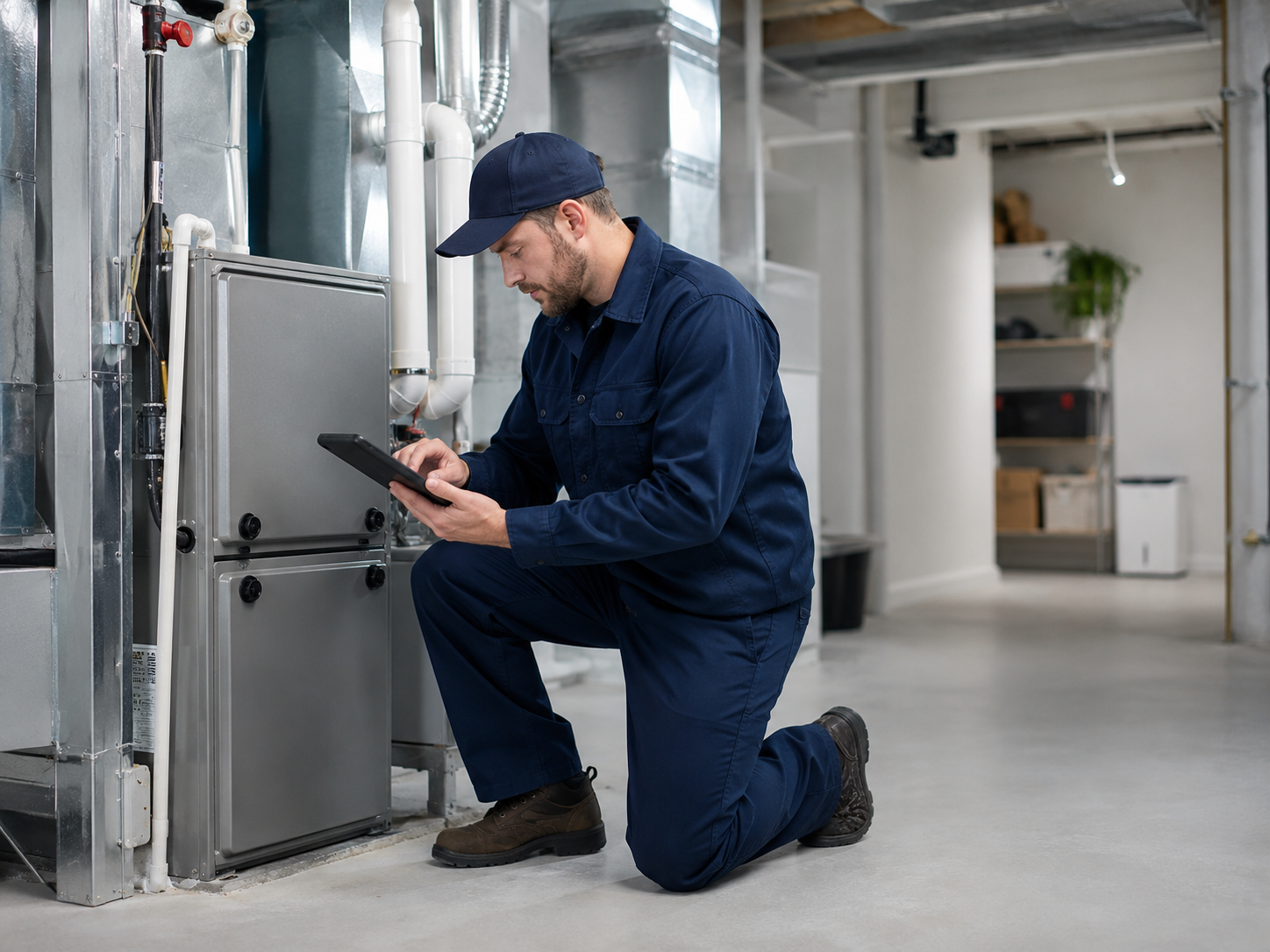
Equipment quality matters, but installation quality can have just as much influence on comfort, reliability, and performance. Homeowners should confirm that the business completing gas-related furnace work meets the applicable registration and certification requirements.
The City of Windsor also lists furnace replacements among projects requiring a building permit. Requirements can depend on the property and scope, so the contractor should explain which permits, inspections, and documentation apply before work begins.
A complete furnace installation in Windsor may involve:
- Removing and disposing of the existing equipment
- Adapting supply and return-air connections
- Completing gas, electrical, venting, or drainage work
- Installing the thermostat or controls
- Checking filter access
- Confirming airflow and temperature rise
- Testing ignition and safety controls
- Checking venting and combustion
- Verifying equipment staging and blower operation
- Completing startup and commissioning procedures
- Explaining operation and maintenance to the homeowner
A low estimate may not represent better value if necessary installation work, permits, commissioning, or warranty support have been excluded. Ask for a written scope that identifies what is included rather than relying on a furnace model number and final price alone.
7. What Do the Warranty and Maintenance Requirements Cover?
Before selecting a furnace, review both the manufacturer’s equipment warranty and the contractor’s labour coverage.
Important questions include:
- Does the equipment need to be registered after installation?
- Who is responsible for registering it?
- How long are major components covered?
- Is labour included or billed separately?
- Are diagnostic or service-call charges included?
- What maintenance is required to keep coverage valid?
- Are filters, accessories, thermostats, and controls covered separately?
- Who should be contacted if a problem develops?
Keep copies of the estimate, invoice, model and serial numbers, warranty registration, permit information, and commissioning documents. Regular maintenance should also be discussed before the first heating season. A structured preventive HVAC maintenance plan can help document system condition, identify developing concerns, and support reliable operation after installation.
Plan Your Furnace Replacement Before Windsor’s Cold Weather Arrives
The best furnace is not necessarily the largest, most expensive, or most technically advanced model. It is the system that is properly sized for the home, compatible with the ductwork and controls, professionally installed, carefully commissioned, and supported after installation.
M&M Global Mechanical Services provides furnace assessments, repairs, replacements, and installations throughout Windsor and Essex County. Our licensed and insured team evaluates the condition of the existing system, explains practical options, and helps homeowners choose equipment suited to their property.
If you are comparing furnace repair in Windsor with replacement, we can help you understand the advantages and limitations of each option without unnecessary pressure.
Does a larger furnace heat a home better?
Not necessarily. A furnace that is too large may heat the area quickly and then shut down before temperatures become evenly distributed. Proper sizing is based on the home’s calculated heating requirements, not the assumption that more capacity is always better.
How is the correct furnace size determined?
A professional assessment may consider the home’s size, layout, insulation, windows, air leakage, renovations, and local winter conditions. In Canada, CSA F280 is a recognized method for calculating residential heating and cooling loads.
Should I replace my furnace before it stops working?
Replacement may be worth planning when breakdowns are becoming frequent, parts are difficult to obtain, comfort is declining, or a major repair is required. A repair may remain practical when the problem is isolated and the rest of the equipment is in good condition.
Is a permit required for furnace replacement in Windsor?
The City of Windsor lists furnace replacements among projects requiring a building permit. The exact requirements depend on the project, and the contractor should explain how the necessary permits, inspections, and documentation will be handled.