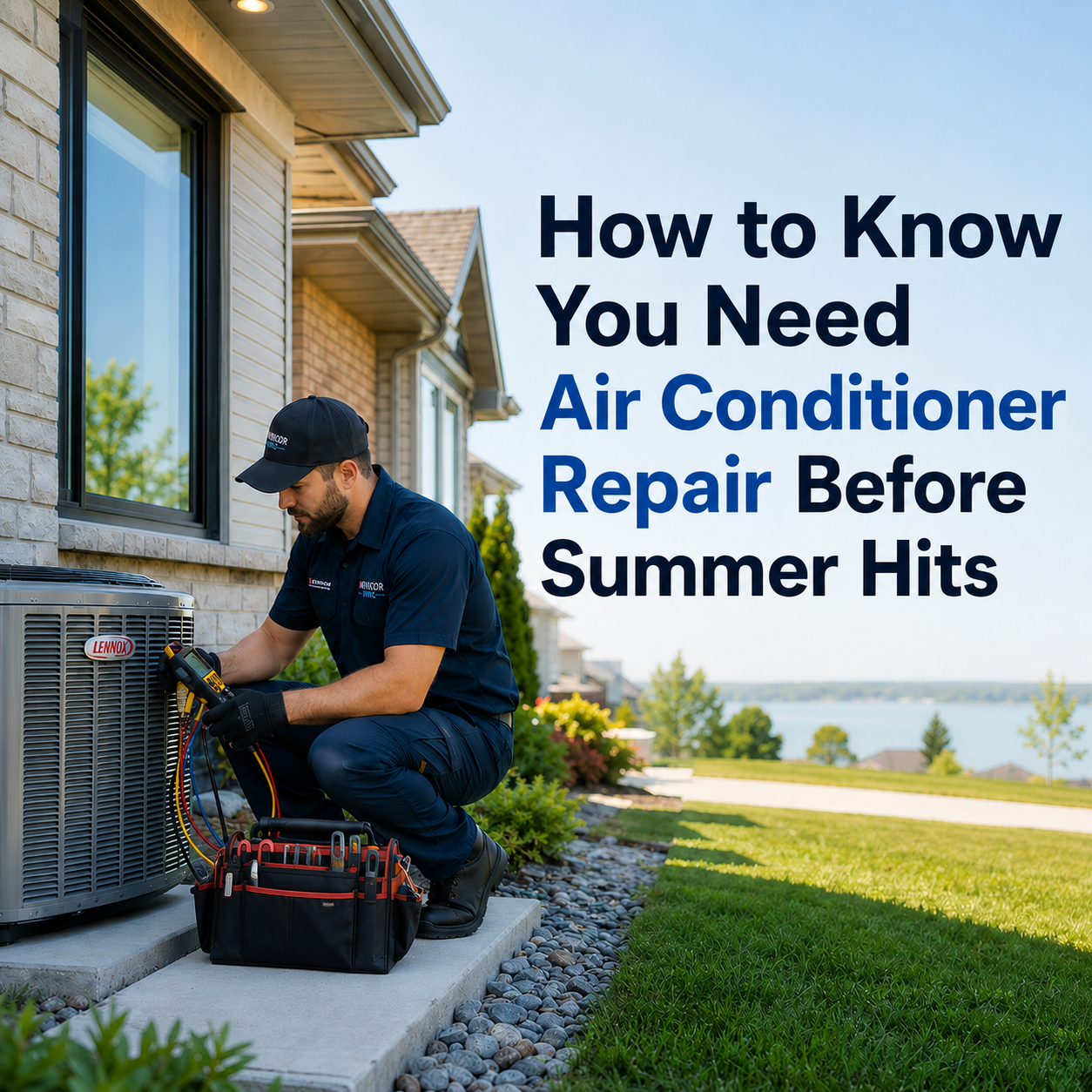
What Should a Commercial HVAC Preventive Maintenance Plan Include?
Commercial HVAC equipment supports far more than temperature control. It can affect employee comfort, tenant satisfaction, customer experience, indoor conditions, equipment protection, and the ability of a business to continue operating normally.
When a rooftop unit, boiler, air handler, or control system fails unexpectedly, the disruption can extend beyond the repair itself. Business owners may also face uncomfortable working conditions, interrupted operations, emergency service requirements, or difficult decisions about aging equipment.
A structured plan for commercial HVAC maintenance in Windsor helps businesses move from reacting to breakdowns toward monitoring equipment, scheduling necessary service, and planning repairs more proactively. However, not every maintenance agreement offers the same level of coverage. Before choosing a plan, it is important to understand what equipment is included, what work will be performed, how often visits will occur, and how findings will be documented.
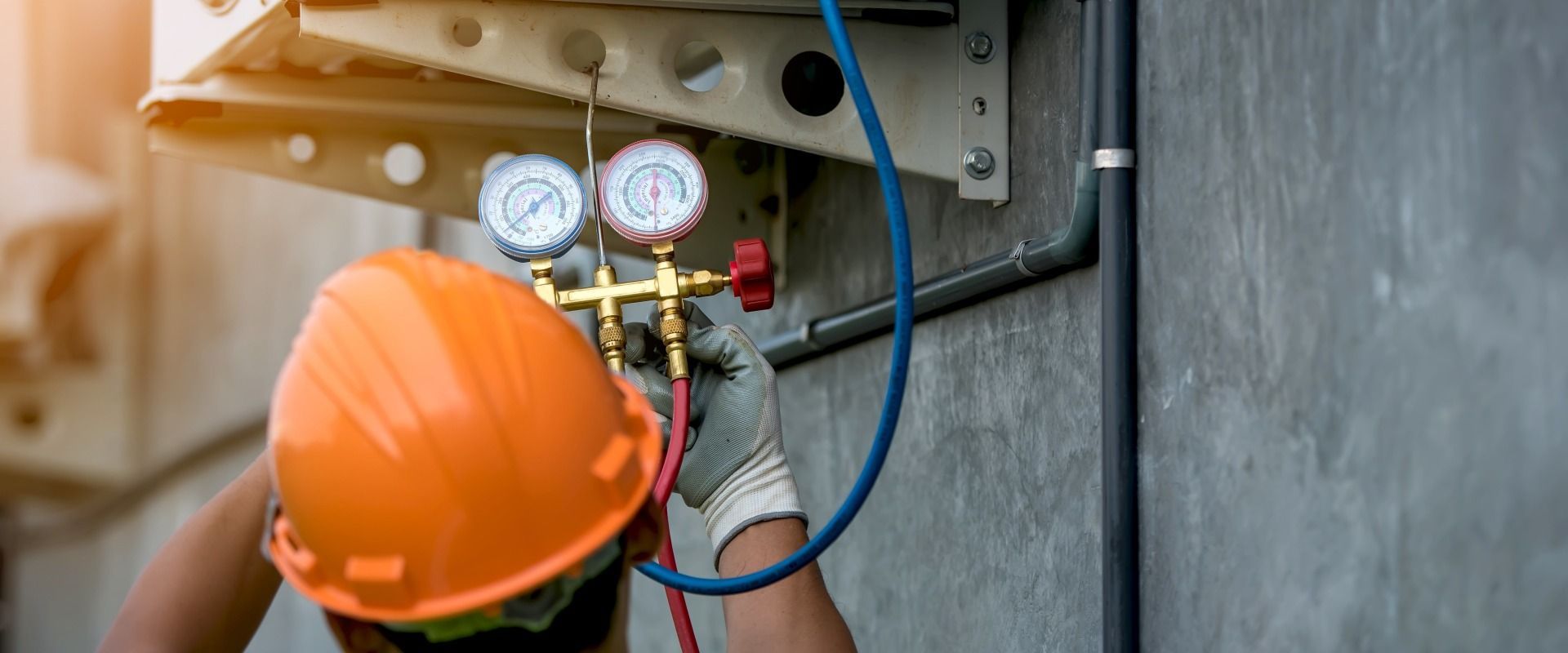
Begin With a Complete Equipment Inventory
A commercial maintenance plan should begin with an accurate inventory of the HVAC and mechanical equipment serving the property. Without that baseline, it is difficult to develop an appropriate schedule or confirm that every necessary system is being inspected.
Depending on the building, the inventory may include:
- Packaged rooftop units and split systems
- Air-handling units
- Furnaces and make-up air units
- Boilers and hydronic heating equipment
- Pumps, valves, actuators, and circulation components
- Thermostats, sensors, zoning components, and controls
- Associated drains, piping, ductwork, and electrical components
The equipment list should identify the type, location, approximate age, condition, and service requirements of each asset. Larger properties may also benefit from recording model and serial numbers, filter sizes, previous repairs, and any known performance concerns.
This inventory makes it easier to create a customized HVAC maintenance plan rather than applying a generic checklist to every building.
Separate Seasonal Work From Recurring Maintenance
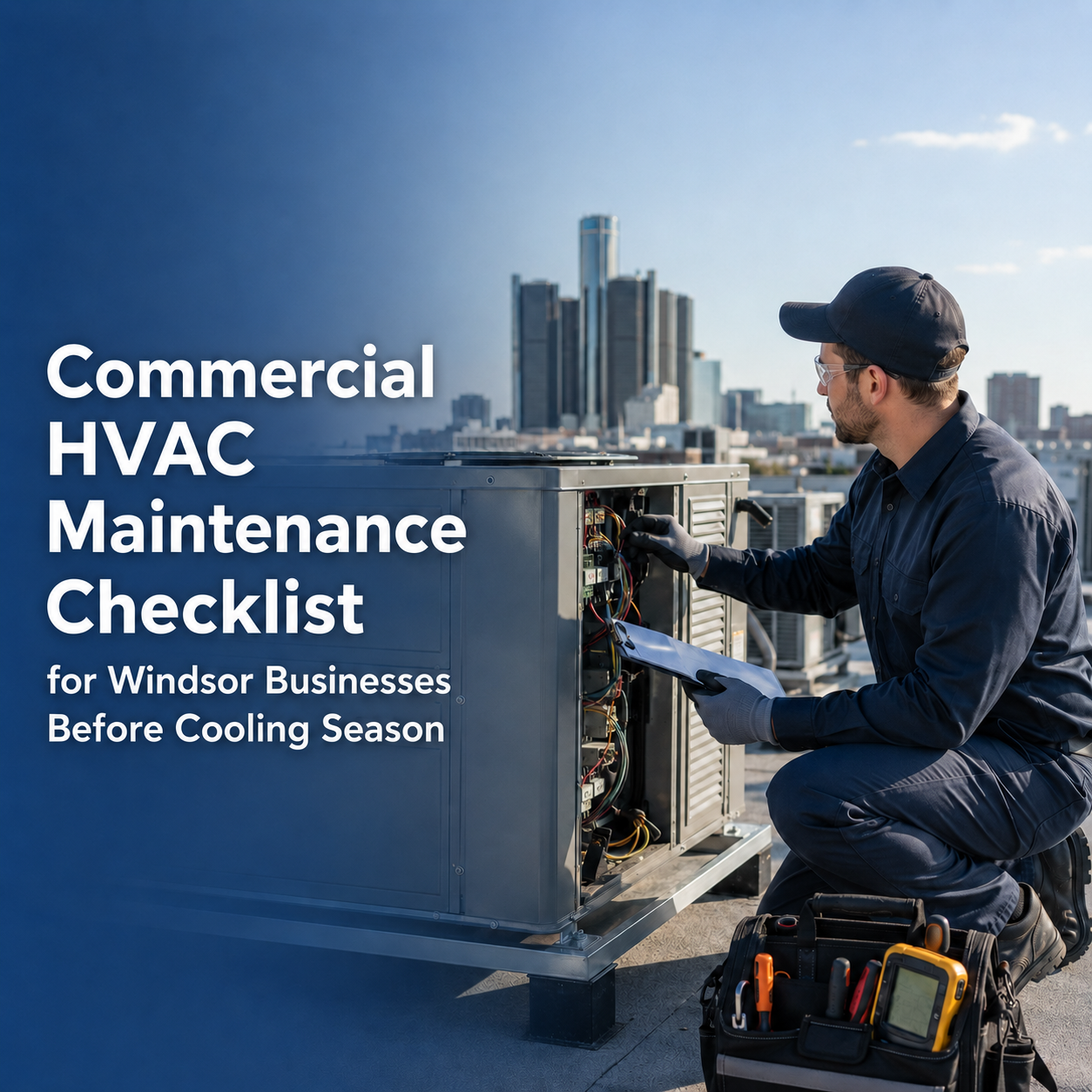
Not every commercial HVAC task needs to be completed during every visit. A strong plan separates seasonal preparation from work that may be required monthly, quarterly, semi-annually, or annually. Cooling equipment should be evaluated before periods of heavy summer use. Heating systems should be inspected before colder weather places greater demand on furnaces, boilers, rooftop units, and related mechanical components. This is where an HVAC cooling-season checklist can come in handy.
Other maintenance activities may need to occur more frequently. Filter schedules, for example, can depend on operating hours, building use, outdoor conditions, occupancy, and the type of equipment. A warehouse, restaurant, office, retail property, and manufacturing facility may all have different maintenance requirements.
The schedule should reflect the equipment, building, and operating environment, not simply the calendar.
What Should a Commercial HVAC Maintenance Visit Cover?
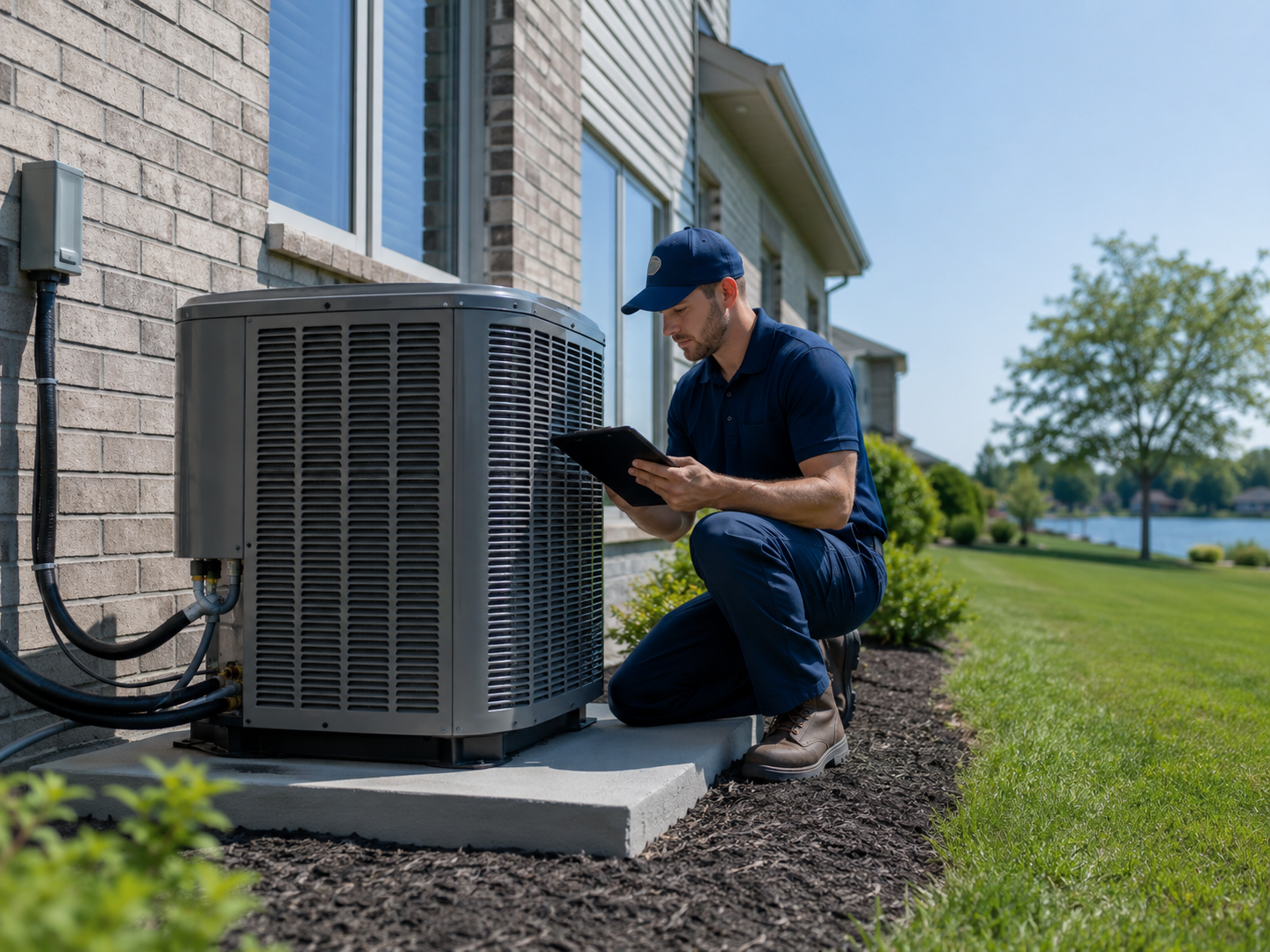
The exact scope will vary, but a commercial maintenance visit should evaluate more than whether the equipment turns on. It should help determine how the system is operating and whether any components require service, monitoring, or planned replacement.
Common maintenance activities may include:
- Inspecting filters and replacing them when required
- Checking belts for wear, tension, and alignment
- Examining fans, motors, bearings, and accessible moving components
- Evaluating airflow and looking for restrictions
- Reviewing operating conditions and visible signs of refrigerant-related concerns
- Identifying repairs or adjustments that may require follow-up service
ENERGY STAR’s commercial-building guidance also highlights regular attention to filters, coils, fan blades, belts, pipes, ducts, and applicable variable-air-volume controls as part of ongoing HVAC care. These recommendations reinforce why commercial maintenance needs to examine the system as a whole rather than focus on one component. (ENERGY STAR commercial-building checklist)
Include Rooftop Units, Air Handlers, and Heating Equipment
Many Windsor–Essex commercial properties rely on several types of HVAC equipment operating together. The maintenance plan should clearly state which systems are covered and what is included for each one.
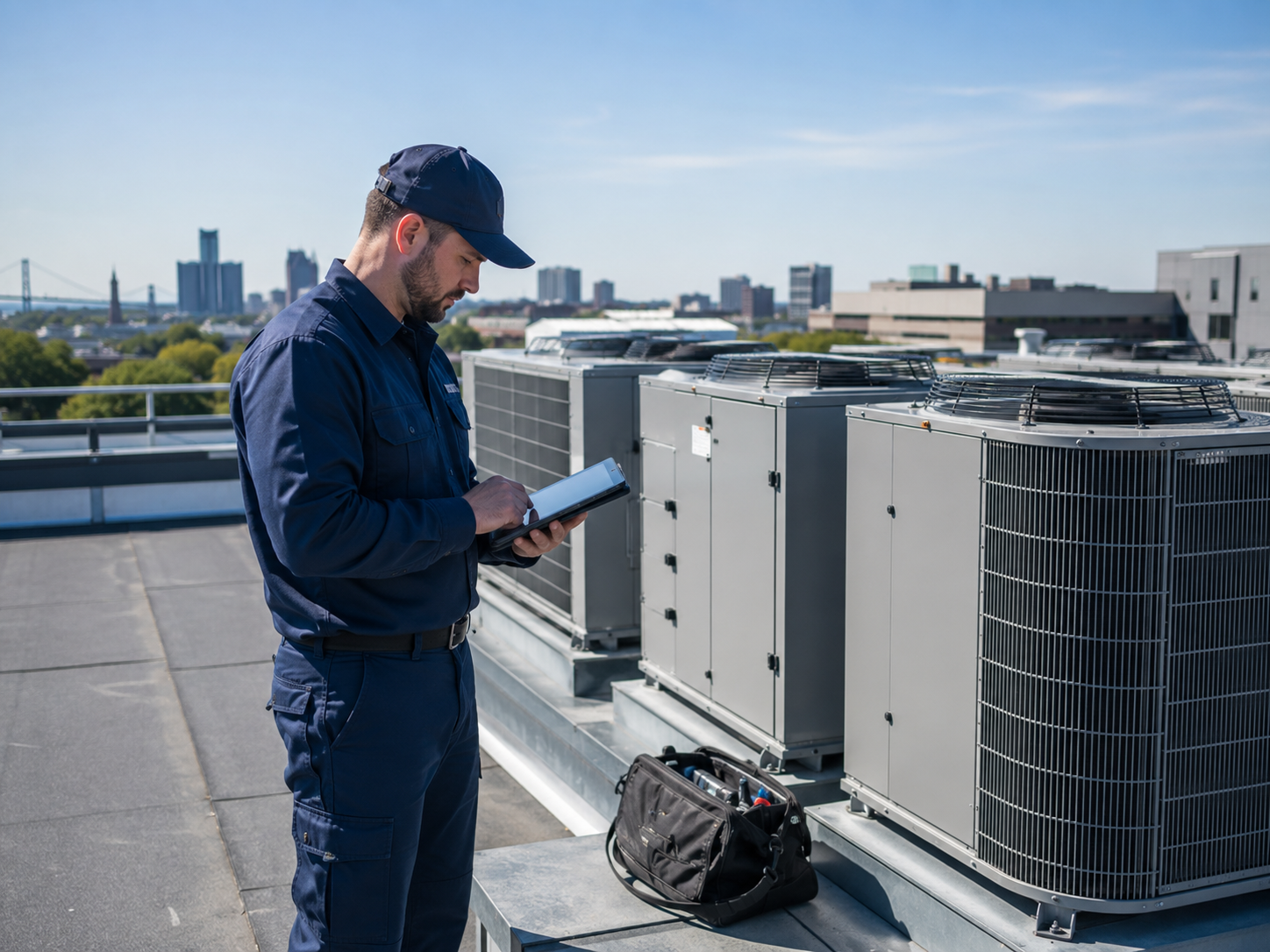
For properties with packaged rooftop equipment, RTU maintenance in Windsor may involve inspecting outdoor components, belts, motors, coils, drains, electrical systems, dampers, economizers, and heating sections. Because these units remain exposed to changing weather throughout the year, exterior condition and cabinet integrity should also be considered when making rooftop-unit repair and replacement decisions.
Air-handling units may require attention to filters, fans, belts, coils, dampers, sensors, drainage, and airflow. Boilers and hydronic systems have different requirements, potentially involving pumps, valves, pressure, circulation, controls, venting, and other system-specific components. A plan should not assume that an inspection designed for one equipment category will adequately cover every mechanical system in the building.
Controls and Sensors Should Be Part of the Plan
A mechanical system can be in good physical condition and still perform poorly if its controls are not operating as intended.
Thermostats, temperature sensors, zoning systems, time schedules, economizers, dampers, and building controls influence when equipment runs and how it responds to changing conditions. Problems in these areas may contribute to inconsistent temperatures, unnecessary operating time, simultaneous heating and cooling, or complaints from particular areas of the building. Commercial maintenance should include an appropriate review of accessible controls and operating sequences. For more complex buildings, the contractor may also need to coordinate with the property’s building-automation or controls provider.
ASHRAE Standard 180 establishes minimum inspection and maintenance practices intended to help commercial HVAC systems continue supporting acceptable comfort, energy efficiency, and indoor air quality. The standard reflects the importance of a consistent maintenance process rather than isolated service calls. (ASHRAE Standard 180 overview)
Look for Repair Planning, Not Just a List of Problems
A useful maintenance report should help the property owner understand what requires immediate action, what should be scheduled soon, and what can continue to be monitored.
Recommendations may be organized into categories such as:
- Immediate safety or operating concerns
- Repairs recommended before the next heating or cooling season
- Components showing wear but still operating
- Longer-term replacement considerations
- Comfort, airflow, or control improvements
- Equipment approaching the end of its practical service life
Preventive maintenance cannot eliminate every breakdown. Components can still fail unexpectedly, particularly in older or heavily used equipment. The purpose of preventative HVAC maintenance in Windsor is to reduce uncertainty, identify developing concerns, and give the business better information for planning its next steps.
Review Scheduling and Priority-Response Provisions
Commercial properties may have specific scheduling restrictions. Maintenance may need to occur before opening, after business hours, during a production shutdown, or in coordination with tenants and property-management staff.
Before entering a service agreement, ask how visits will be scheduled, who will receive reports, and what happens when maintenance identifies a required repair. Some plans may also include priority scheduling or defined response provisions. These terms should be clearly explained. A business should understand what is included, what is billed separately, and whether emergency or after-hours service is covered.
Build a Maintenance Plan Around Your Property
A commercial HVAC maintenance plan should reflect the building’s equipment, hours, occupancy, operating conditions, and business requirements. The right scope for a small professional office may be very different from what is needed for a multi-unit commercial property, warehouse, restaurant, or industrial facility.
M&M Global Mechanical Services develops customized preventive maintenance plans for businesses and commercial properties throughout Windsor and Essex County. Our licensed and insured team services rooftop units, air-conditioning equipment, furnaces, boilers, hydronic systems, ventilation equipment, and related mechanical components. We provide practical inspections, documented findings, and recommendations based on the actual condition and requirements of your equipment.
Contact M&M Global at 519-944-9949 or request service online to discuss a commercial HVAC preventive maintenance plan for your property.