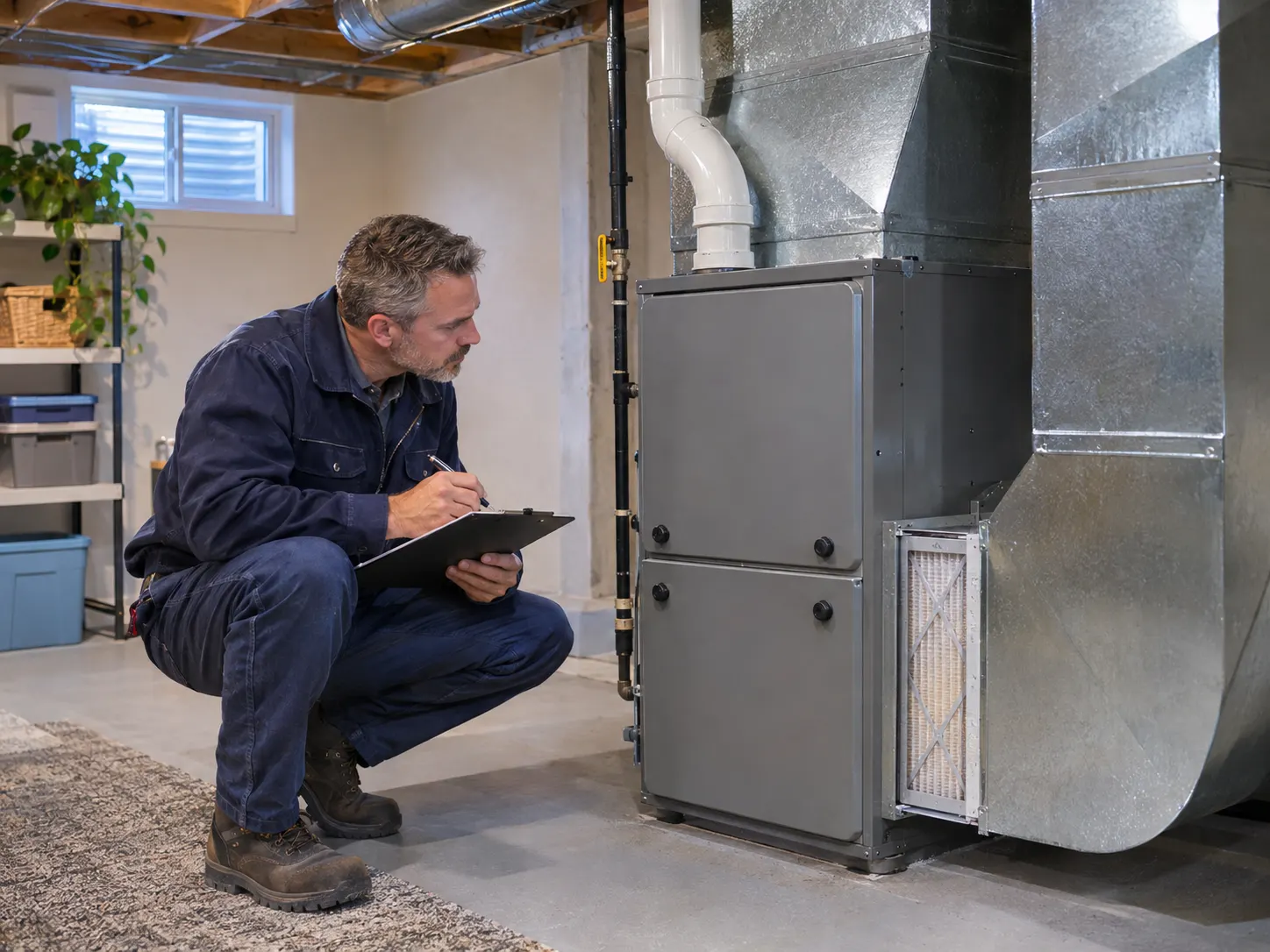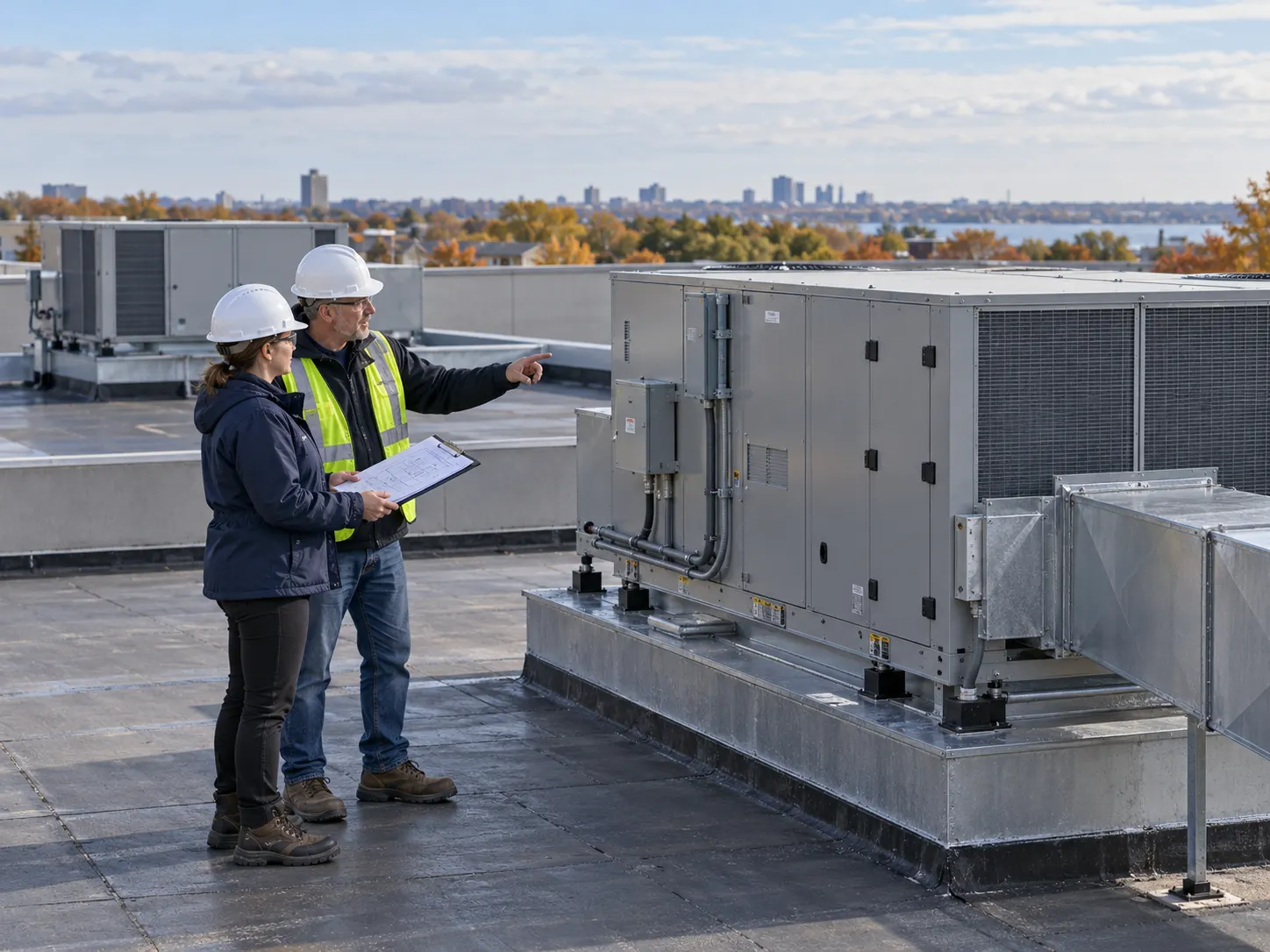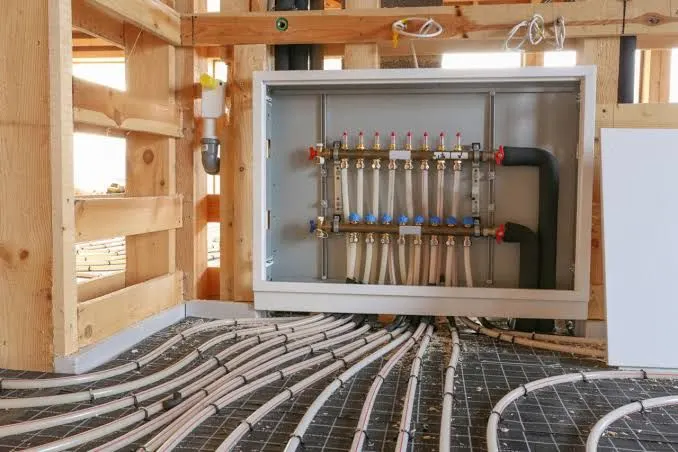
If one office is cold while another is overheating, start by finding out which areas are affected and when the difference shows up. Uneven heating in a commercial building can come from the way heat is scheduled or distributed, how a space is used, or how the equipment is operating. Raising the thermostat for the whole building can make warmer rooms less comfortable while leaving the original problem unresolved.
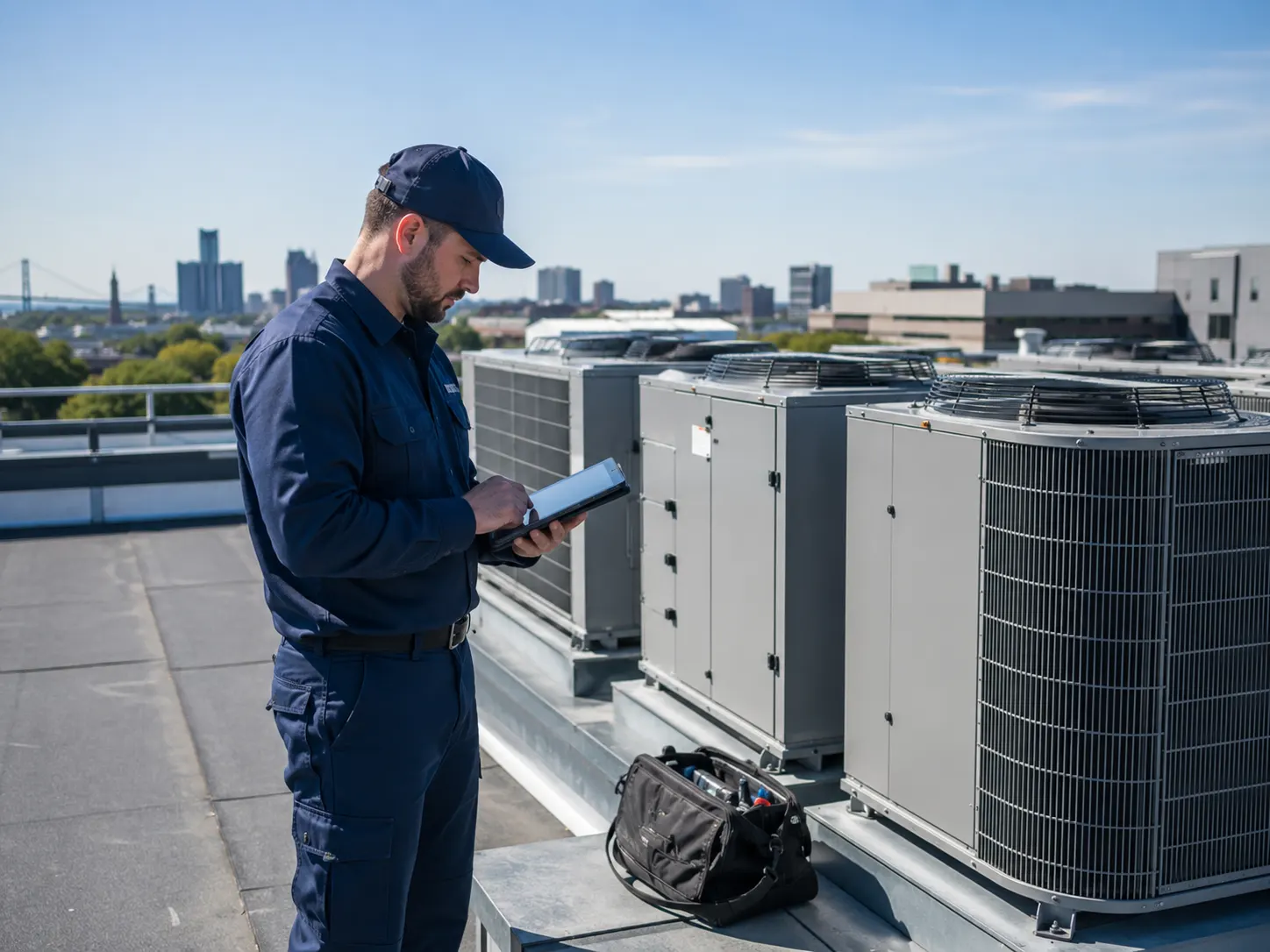
For property managers and business owners in Windsor–Essex, a short record of where and when complaints occur gives a technician a place to start. If your building uses packaged rooftop units, M&M Global’s commercial rooftop HVAC service includes troubleshooting and repair for issues such as weak airflow and uneven temperatures.
Start With the Pattern: One Desk, One Room or Several Areas?
Ask occupants to describe where they feel too cold or too warm. A draft at a reception desk that gets worse whenever the entrance opens calls for a different investigation than several rooms that stay cold through the afternoon.
We provide a useful starting point: identify the room, note the current and expected temperature, and say how long the problem has lasted. For a commercial property, a short complaint log can capture:
Location: Floor, suite or room, and whether the complaint comes from a particular spot, such as a desk by a window.
Timing: When the problem starts, how long it lasts and whether it recurs at opening, during business hours or after a schedule change.
Readings: The thermostat’s displayed temperature and target setting, if available. If you have a separate room reading, note where and when you took it.
Conditions: Whether the room was occupied, doors were opening frequently, or the issue coincided with a change in outdoor temperature.
Recent changes: A new tenant, moved partitions, different operating hours or work on the HVAC system.
Note a nearby space that feels comfortable under similar conditions if you can. It gives the technician a useful point of comparison.
Why a Room Can Feel Cold Even When the Thermostat Looks Right
A thermostat reports what its sensor detects at a particular location. It doesn’t tell you what someone feels at a desk beside a cold window or in the path of a draft. The Canadian Centre for Occupational Health and Safety explains that air movement, nearby surface temperatures, clothing and activity all influence how warm or cool people feel.
Consider a storefront where the sales floor feels comfortable but the checkout area gets cold during busy periods. Frequent door openings may contribute, even if the thermostat farther inside reads normally. Recording that pattern helps the technician decide where to measure and whether to look beyond the heating equipment.
Check How Heating Is Scheduled and Which Rooms Share a Zone
If complaints cluster first thing in the morning or during evening shifts, compare those times with the building’s programmed heating schedule. A schedule set for a previous tenant’s hours may still be using a lower temperature target when people are already at work. Record any known overrides or recent schedule changes so the technician can see how the system was operating when the complaint occurred.
A heating zone is an area controlled together. One sensor may influence several rooms, so the room where it sits can reach its target while another room in the same zone stays cold. A new partition or a change in how a room is used may also change the amount of heat that area needs. If you have a current floor plan or a record of which unit serves each area, share it with the technician.
Look for Airflow and Heat Distribution Clues
In a forced-air system, heating equipment can run while one area still receives too little warm air. Furniture, boxes or displays may cover a supply or return grille. A change to the layout can also affect how air moves through a space.
Document visible obstructions and note whether airflow at an affected grille seems different from a comparable area. Leave damper adjustments and equipment checks to the technician. Depending on the system, they may measure airflow and supply-air temperature, check fan operation or filters, and test whether dampers respond to the controls as intended.
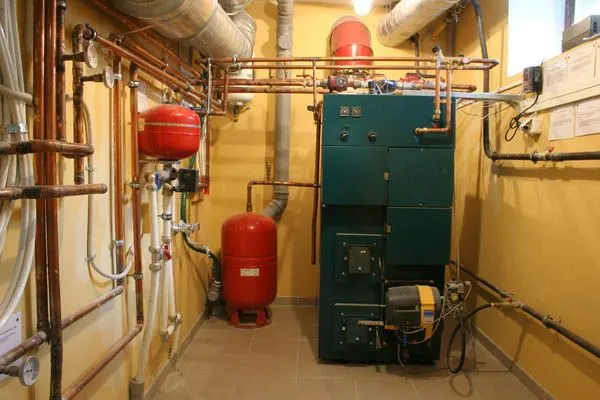
Buildings that use hot water to distribute heat call for a different set of checks. If one area served by a boiler stays cold while the rest of the property warms up, tell the technician which area is affected so they can assess the controls and circulation serving it.
What a Commercial Heating Assessment Should Clarify
Ask the technician to identify which equipment serves the affected area and check what happens while it calls for heat. That can help separate a unit that isn’t producing enough heat from a room that isn’t receiving its share, or a control that’s responding to conditions elsewhere. If your building automation system records temperature and operating history, the technician may be able to use that history to investigate a problem that comes and goes.
Ask what the findings support: a repair, a control adjustment, airflow testing or a closer look at how the space is served. If testing points to a serious equipment fault, our guide to rooftop unit repair and replacement explains what to weigh before making that decision.
After the work, revisit the original complaint under similar conditions. If the east offices were cold at opening, check those rooms at opening again, ideally in similar weather. Record how the rooms feel, compare the readings with your earlier notes and flag anything that still needs attention.
Arrange a Commercial Heating Assessment in Windsor–Essex
If temperature complaints keep coming back, share your room list, operating hours and any available equipment details with M&M Global Mechanical Services. Knowing when the problem occurs and how the building is used helps us discuss the right next step for your property.
Call 519-944-9949 or request a commercial heating assessment.
Frequently Asked Questions
Should we turn up the heat for the whole building?
If some areas are already too warm, start by documenting which rooms are affected and whether they share a thermostat or zone. A building-wide change can worsen the warm areas without addressing why the colder rooms are falling behind.
Does uneven heating mean the rooftop unit needs replacement?
Uneven heating alone doesn’t tell you whether the rooftop unit needs replacement. A technician should first confirm whether the unit is producing heat and whether the controls and distribution system are delivering it to the affected rooms.